
HOME / CranioSacral Therapy
The Quiet Power
of CranioSacral Therapy
A gentle, profound approach to supporting the body's own intelligence — for mothers, babies, and families at every stage of the birth journey.
What is CST
Listening to
the Body's Own Wisdom.
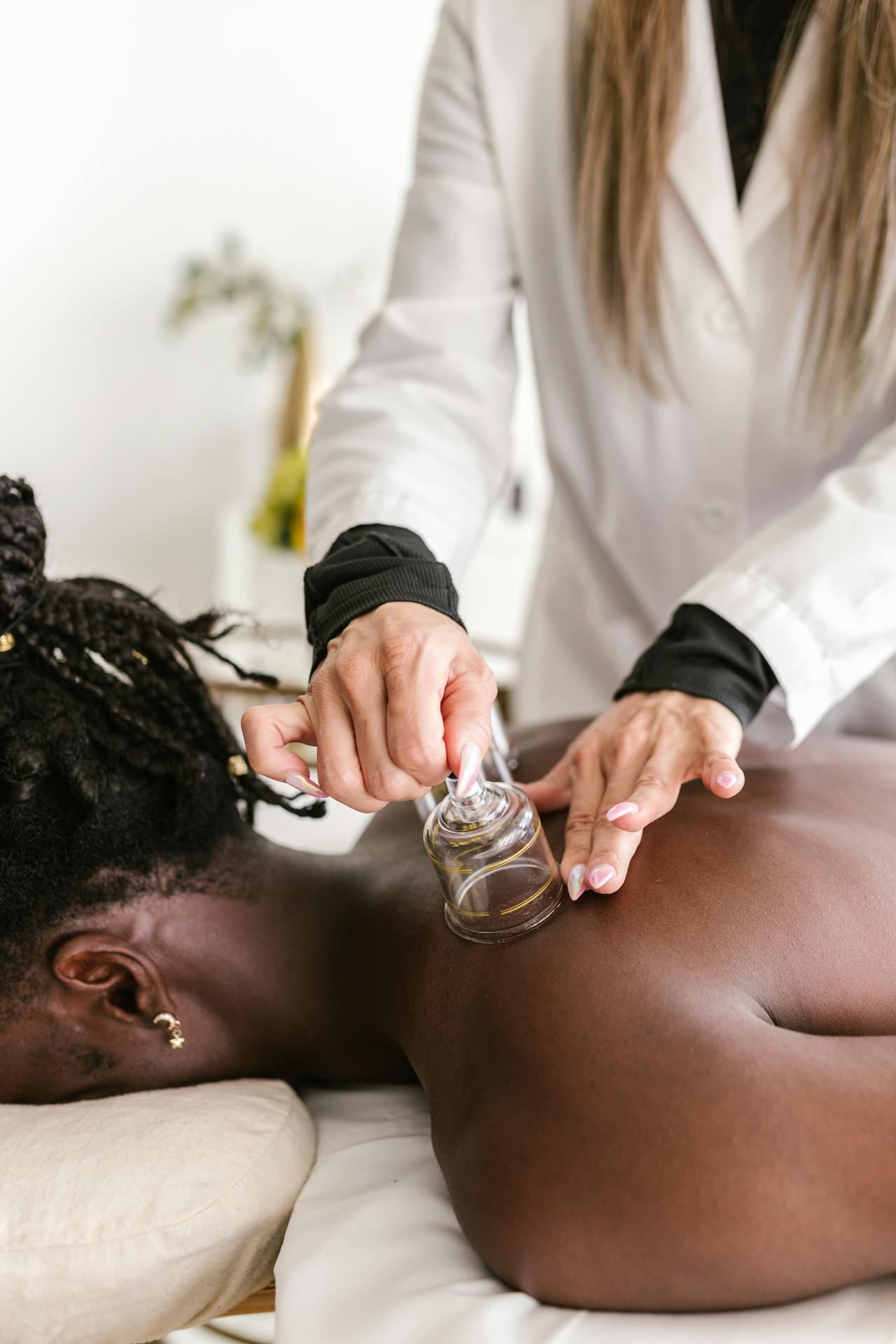
CranioSacral Therapy is a gentle, hands-on approach developed in the 1970s by osteopathic physician Dr. John Upledger. It works with the craniosacral system — the membranes and cerebrospinal fluid that surround and protect the brain and spinal cord — to detect and release restrictions that may be interfering with the central nervous system's ability to function optimally.
At the heart of CST is a simple but profound premise: the body has an innate capacity to heal itself. When that capacity is supported rather than overridden, remarkable things can happen. Practitioners are trained to sense the subtle craniosacral rhythm — a gentle movement present throughout the entire body — and to follow the body's own signals toward release and rebalancing.
Clients typically remain fully clothed during a session. The practitioner uses an extraordinarily light touch — comparable to the weight of a nickel — at key points on the body including the head, spine, and sacrum. Most people find sessions deeply relaxing, and many describe a sense of warmth, tingling, or involuntary movement as the body begins to release.
While CST was originally developed in the context of osteopathy, it has since expanded into a widely practiced therapeutic modality used by physical therapists, massage therapists, nurses, and other healthcare professionals worldwide. Its applications are broad — but its connection to the perinatal world is particularly profound.
CST & the Perinatal Journey
Supporting Mothers
Through Every Threshold.
The journey from conception through postpartum is one of the most profound physical and emotional transformations a human body undergoes. CST is uniquely suited to support each phase of it.
01
Conscious Conception & Pregnancy
During pregnancy, the body is in continuous adaptation. Hormonal shifts loosen ligaments throughout the pelvis, the center of gravity changes dramatically, and the nervous system is working overtime. CST can help the body move through these changes with greater ease — addressing pelvic alignment, reducing tension patterns that could affect the birth canal, supporting restful sleep, and helping mothers feel more connected to the intelligence of what is happening inside them.
02
Birth Preparation & Labor Support
A body that is well-supported entering labor is better able to respond to the demands of birth. Prenatal CST sessions can address restrictions in the pelvis and sacrum that might otherwise limit the baby's ability to descend and rotate. There is also a meaningful emotional component — sessions often help mothers process fear, access trust in their bodies, and arrive at birth with a greater sense of inner resource. For those planning an unmedicated birth, this preparation can be genuinely transformative.
03
Postpartum Recovery & Integration
Birth — however it unfolds — is a significant physical event. The postpartum body needs time and support to find its way back to itself. CST can help address lingering tension patterns from labor and delivery, support pelvic floor recovery, ease discomfort from diastasis recti, and — perhaps most importantly — help mothers process and integrate their birth experience on a somatic level. This is particularly meaningful for mothers who experienced difficult, unexpected, or traumatic births.
CST for Newborns & Infants
Born into Compression.
Birth is the most physically demanding experience a human being will ever undergo — and that includes the baby. The forces involved in labor and delivery, even in uncomplicated births, can leave significant compression and strain patterns in the infant's delicate cranial bones, neck, and sacrum.
In the vast majority of cases, babies self-correct over time. But when they don't — or when birth involved interventions like forceps, vacuum extraction, prolonged pushing, or cesarean section — CST can offer gentle, effective support for resolving those patterns before they become entrenched.
Infant CST uses the same feather-light touch as adult sessions, adapted for the sensitivity and size of a newborn. Sessions are typically brief and babies often sleep through them. Parents frequently notice changes within days — sometimes within hours of a session.
"Babies can't tell us what hurts. But their bodies tell us everything — if we know how to listen."
Difficulty latching or nursing
Tension in the jaw, neck, or cranial base can interfere significantly with feeding mechanics.
Persistent head-turning preference
Favoring one side can indicate asymmetrical tension in the neck and upper cervical region.
Colic, reflux, or excessive crying
Compression around the vagus nerve and digestive tract can contribute to discomfort and unsettled behavior.
Difficulty settling or sleeping
An overstimulated or compressed nervous system makes it hard for babies to down-regulate and rest.
Traumatic or assisted birth
Forceps, vacuum, emergency cesarean, or very rapid delivery increase the likelihood of residual strain patterns.
Our Mission
Sharing WisdomNot Working Harder.
"The body keeps the score — and it can also be the place where healing begins."
SomatoEmotional Release (SER) is a natural extension of CranioSacral Therapy that helps the body release emotional residue stored in the tissues — particularly around experiences as significant as birth.
SomatoEmotional Release is a therapeutic process that emerged from the work of Dr. John Upledger and biophysicist Dr. Zvi Karni. Their research demonstrated that the body often retains the emotional charge of significant experiences — particularly traumatic or overwhelming ones — in localized regions of tissue they called "energy cysts." These are areas of held tension that the body has sequestered in order to continue functioning, but which carry an ongoing physiological cost.
Birth — whether experienced as beautiful, difficult, frightening, or some complicated mixture of all three — is one of the most significant events a woman's body will ever hold. When a birth experience includes elements that felt outside of one's control, unexpected, or traumatic, the mother's body may continue to carry the imprint of that experience long after the physical recovery is complete.
This has real consequences. Unprocessed birth trauma can affect bonding with the infant, color the postpartum emotional landscape, and cast a long shadow over future pregnancies. Many women describe a persistent sense of disconnection from their birth story — or an inability to speak about it without distress — that no amount of cognitive processing seems to fully resolve.
SER offers a different kind of access. Working through the body rather than the narrative mind, it supports the release of held emotional tissue at a somatic level — allowing the mother to experience a genuine shift in how she is carrying her birth story, not just how she is telling it.
Phase 01
Recognition
The body begins to signal areas of held tension or emotional charge. The therapist follows rather than directs, listening to what the tissues are communicating.
Phase 02
Dialogue & Unwinding
Through gentle dialogue and physical support, the body is invited to move through the held pattern rather than around it. This may involve spontaneous movement, images, or emotional release.
Phase 03
Integration
The released energy is integrated — the experience is not forgotten, but it is no longer held in the tissues as unresolved charge. Mothers often describe feeling lighter, more whole, and more at peace with their birth story.
Ongoing
Re-writing the Story
What changes is not the facts of what happened, but the way the body holds the memory. Many mothers find that their relationship to their birth experience shifts in ways that meaningfully affect their relationship with their baby, their own body, and future pregnancies.
What to Expect
A Session, Unfolded.
Every session is different because every body is different. But here is what the arc of a CST session generally looks like.
01
Intake & Conversation
We begin by talking — about what has brought you in, how your body has been feeling, and what you are hoping for. This conversation is part of the therapeutic process.
02
Listening & Assessment
You lie fully clothed on a massage table. The practitioner uses very light touch at the feet, sacrum, spine, and head to assess the craniosacral rhythm and identify areas of restriction.
03
Release & Integration
Following the body's own signals, the practitioner gently supports the release of tension patterns. You may feel warmth, subtle movement, emotional responses, or deep stillness.
04
Closing & Reflection
Sessions close with time to re-orient and share observations. The body often continues integrating the session's work in the days that follow.
Who It's For
CST Across the Birth Continuum.
CranioSacral Therapy meets people wherever they are in their journey — before, during, and long after birth.
Before Birth
Those Trying to Conceive
CST can support the body in becoming a more receptive, balanced environment for conception — addressing pelvic restrictions, nervous system dysregulation, and the emotional weight that often accompanies fertility challenges.
- Pelvic and uterine restrictions
- Nervous system regulation
- Emotional processing around fertility
- Conscious preparation for pregnancy
During Pregnancy
Pregnant Mothers
As the body adapts to the extraordinary demands of pregnancy, CST offers gentle, safe support at every trimester — helping the body move through transformation with more ease and less compensation.
- Pelvic alignment and sacral balance
- Tension relief without deep pressure
- Birth canal preparation
- Nervous system and sleep support
After Birth
Postpartum Mothers
The postpartum body deserves as much care and attention as the pregnant one. CST supports physical recovery and the equally important work of emotionally integrating the birth experience.
- Recovery from labor and delivery
- Processing difficult birth experiences
- Bonding support
- Fatigue and nervous system recovery
Newborns
Babies & Infants
Newborns benefit enormously from gentle craniosacral support, especially following assisted deliveries or births with complications. Early intervention can resolve patterns that might otherwise affect development.
- Feeding and latch difficulties
- Colic and unsettled behavior
- Plagiocephaly (head shape concerns)
- Recovery from assisted delivery
Partners & Fathers
Dads & Birth Partners
Birth is a threshold experience for the whole family. Partners often hold their own complex responses — awe, fear, helplessness, protectiveness — that deserve acknowledgment and support.
- Processing the birth experience
- Nervous system regulation
- Supporting bonding with baby
- Preparation for active partnership in birth
Anyone Carrying a Birth Story
Mothers at Any Stage
It is never too late to revisit and heal a birth experience. SomatoEmotional Release work has supported women years — even decades — after a birth that left unresolved emotional residue.
- Unresolved birth trauma
- Regret, grief, or disconnection
- Preparing for a subsequent pregnancy
- Reclaiming the narrative of birth
Who It's For
Ready to Learn More?
Explore our resources on conscious conception, birth preparation, and what CST has offered the families we've worked with. Or read the stories of those who have walked this path before you.